I keep hearing the same complaint from colleagues in different industries about Anthropic's Opus. They lament having to call Fable too often. I've heard of some success using Fable to think and Sonnet 5 to execute.
In the past day, two different people have told me that Opus 5 eventually admitted it had read only part of their instructions. One user shared that Opus 5 reported believing the long prompt was too expensive to read so it only paid attention to the first chunk.
I've been using Codex for most of my coding over the past couple of months. I switched because I was seeing consistently better results with 5.6 Sol.
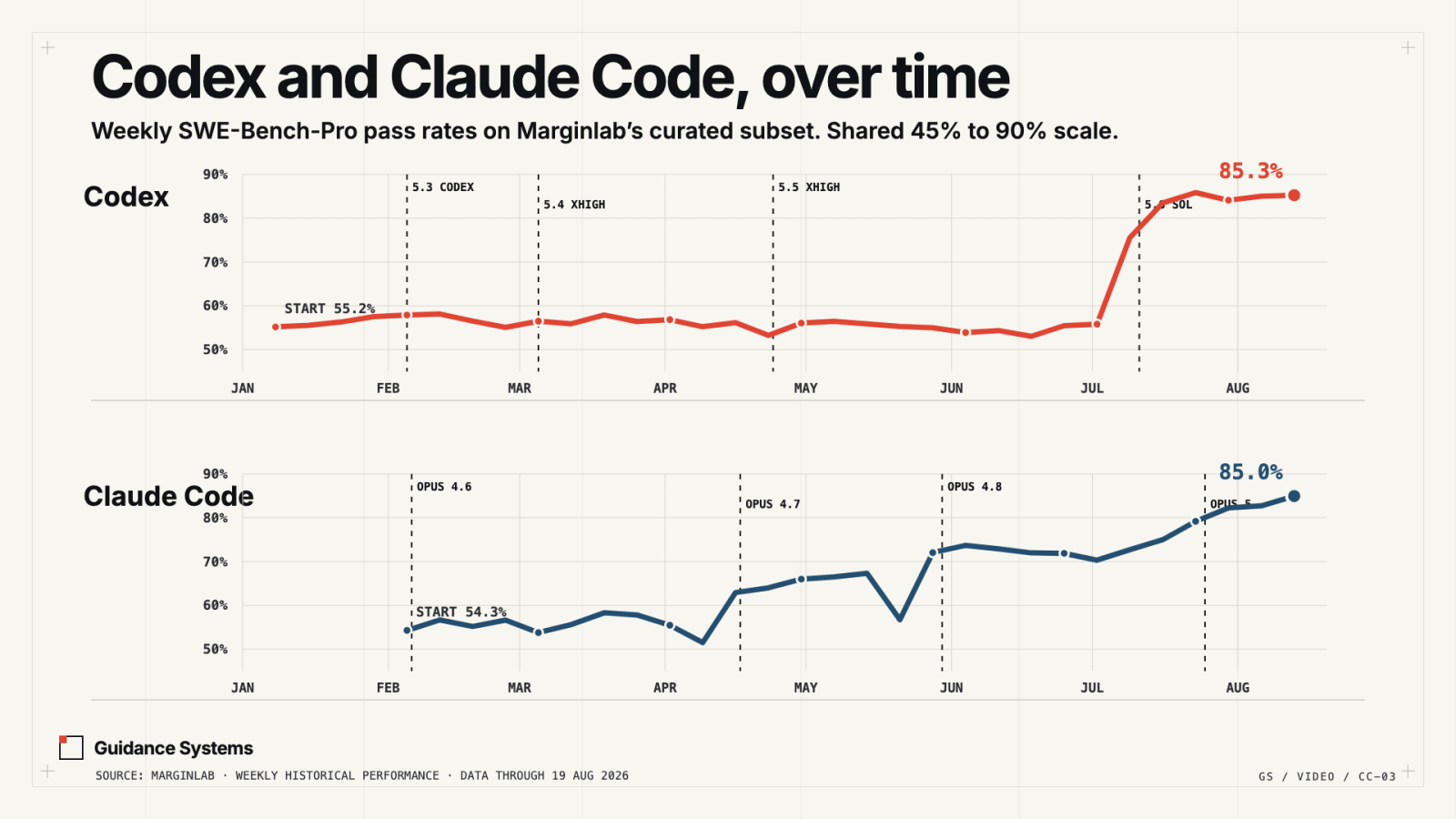
I think many of us fell in love with Claude Code because Anthropic's models performed so well for so long. MarginLab's historical tracker shows that history. On MarginLab's current SWE-Bench-Pro trackers, Opus 5 and Sol 5.6 are neck and neck. And yet, beyond the benchmark, Opus is producing garbage on complex, instruction-heavy work.
Classic IFEval instruction-following benchmarks are no longer very useful for separating today's frontier models. At least for a while, the models were producing consistently high scores. Broad coding capability and precise instruction following are also different problems.
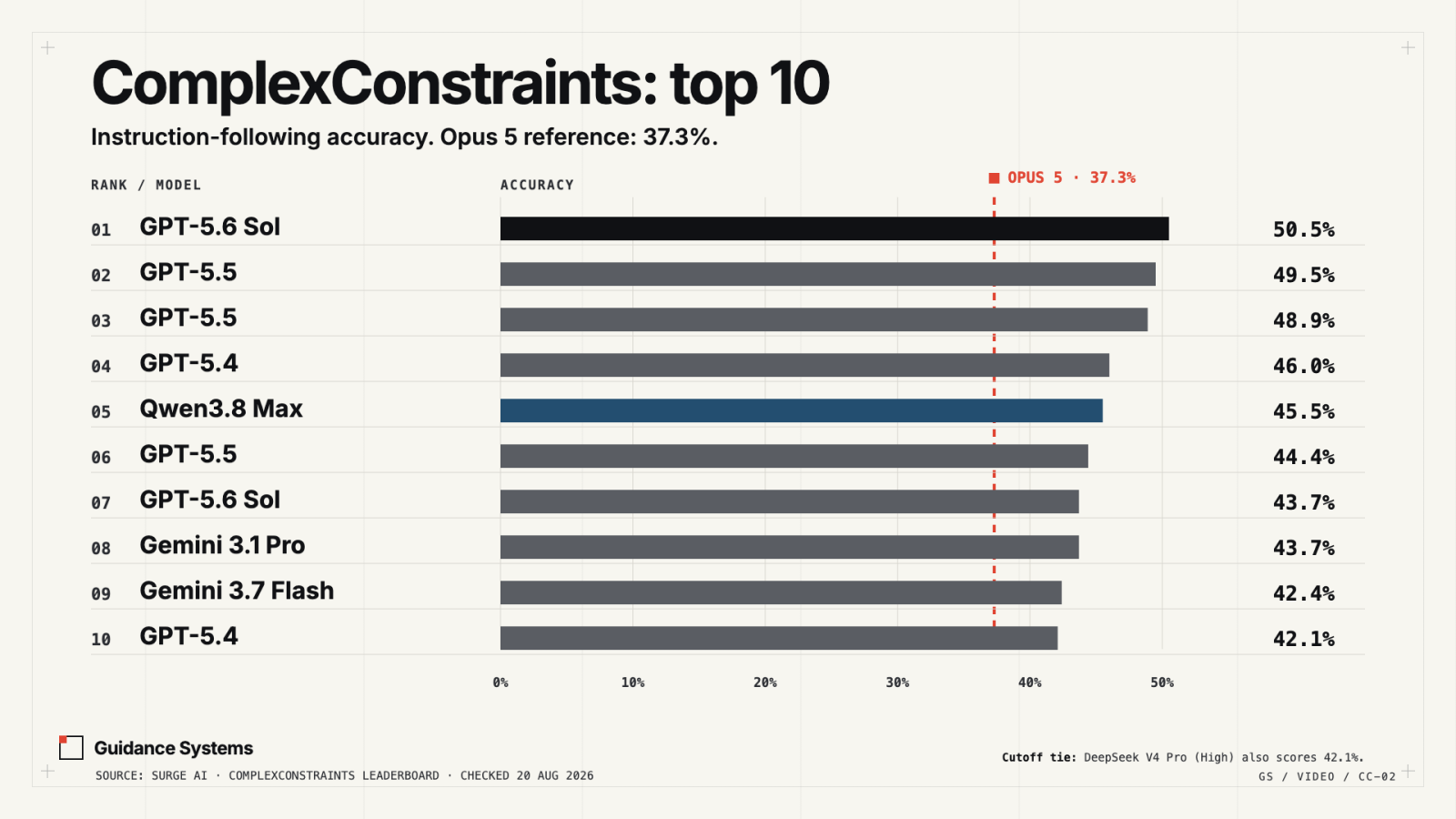
I found a newer instruction-following benchmark called ComplexConstraints from Surge AI. It is described as “A benchmark for professional instruction following, where constraints depend on each other, fire conditionally, and must be inferred from context.”
On ComplexConstraints, Sol 5.6 at Max reasoning scores 50.5%. Opus 5 at Adaptive/Max scores 37.3%.
This benchmark explains why I'm liking Sol 5.6 over Opus.
I need to test this directly, but my current hypothesis is that Opus increasingly chooses to “think for us” instead of following instructions. The timing tracks with the launch of Fable.
At launch, Fable looked much more powerful than anything else publicly available. I bet more people relied on it to figure things out and more blindly accepted its output.
I had wondered whether those users were also creating a fresh training-data stream for Anthropic. Anthropic's published policy says otherwise. Anthropic retains Fable prompts and outputs for 30 days for safety analysis, but says that personnel cannot read them by default and that the retained data will not be used to train new Claude models. The retention policy is here.
That kills the cleanest version of my training-data theory. It does not kill the product-feedback question.
Have the Fable YOLO users led Anthropic to assume we're stupid by default and that it's probably best to ignore our instructions?
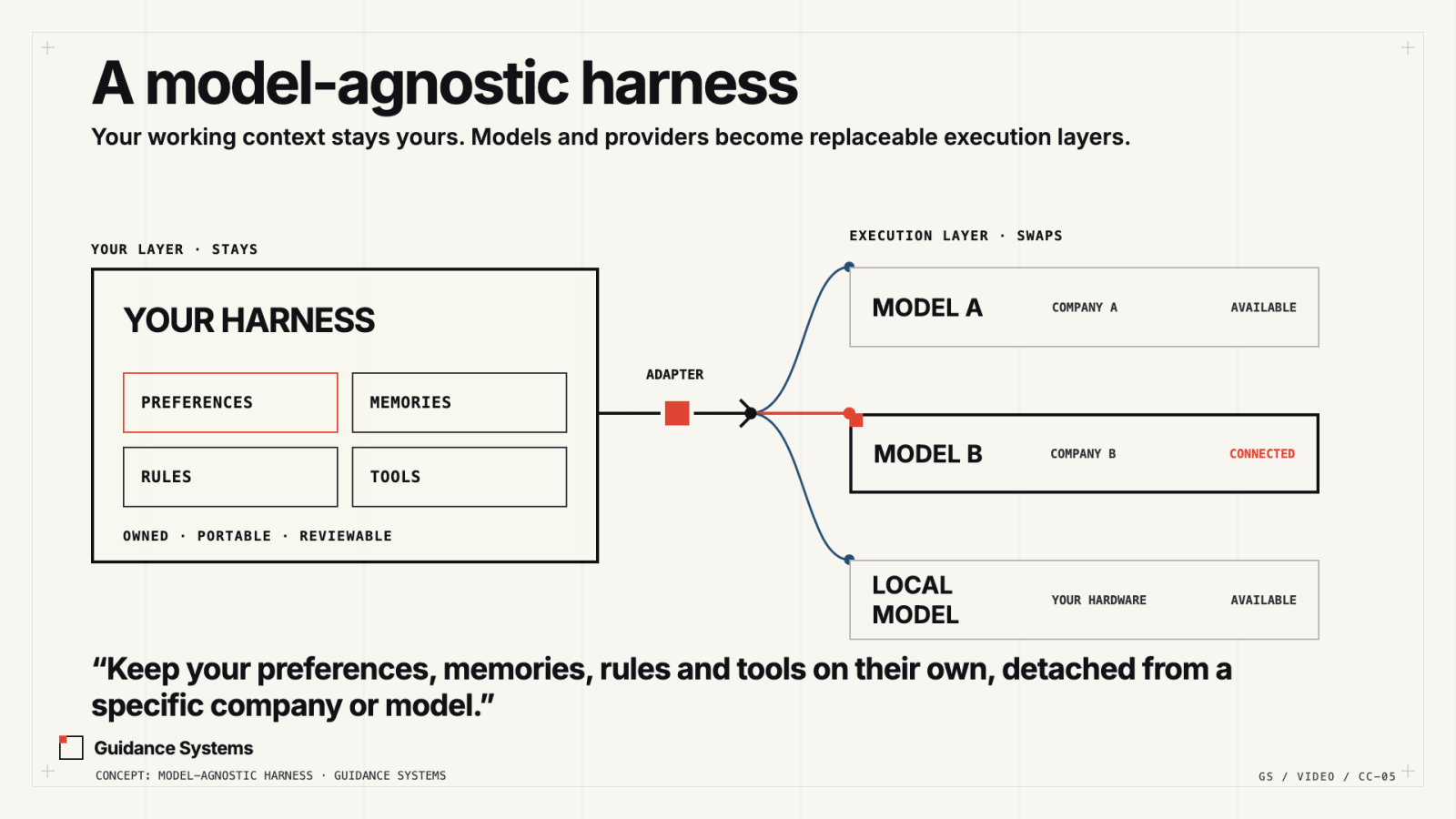
If Opus is dragging you down and you don't already have a model-agnostic harness, now is a great time to build one. Keep your preferences, memories, rules, and tools separate from any company or model. Create personal evaluations that define what success means to you, then run them at least monthly against different models. Measure whether the answer is correct, whether your constraints were followed, how much editing was required, how long it took, and what it cost.
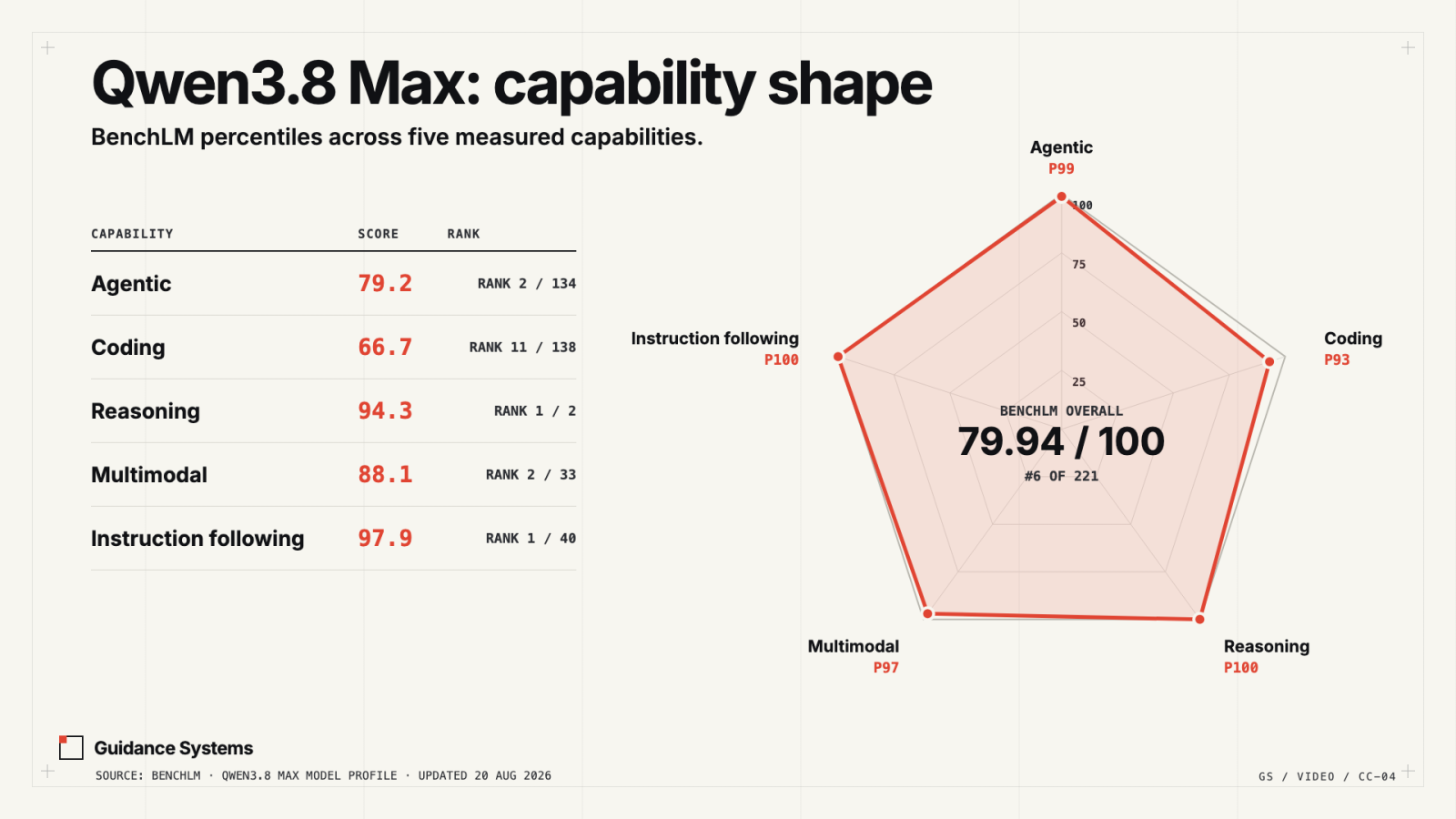
The ComplexConstraints leaderboard also makes open-weight Qwen3.8 Max worth investigating. It scores 45.5%, between Sol and Opus, and has strong multimodal, instruction-following, agentic, coding, and reasoning scores across BenchLM's collected benchmarks.
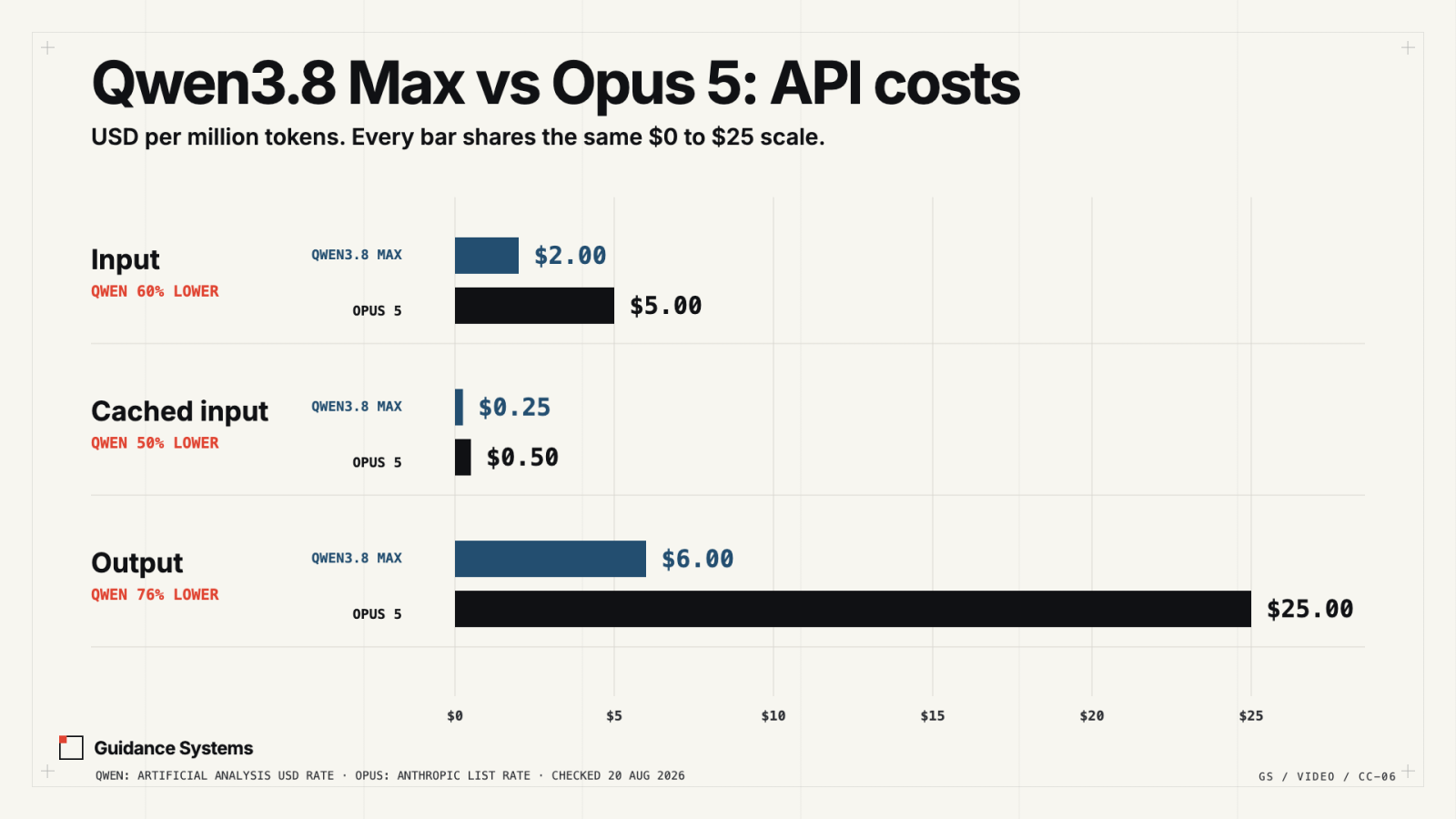
Qwen3.8 Max is also attractively priced (per million tokens) at $2.00 input, $0.25 cached input, and $6.00 output. Opus 5 costs $5.00 input, $0.50 cached input, and $25.00 output.
I'm going to keep watching ComplexConstraints. I think it may be one of the better ways to track which models will perform well in my real-world scenarios.
If you or your company are interested in figuring out which LLMs are best for your specific use cases and building a system that can evaluate and adapt as new opportunities arise, please get in touch.